neoplasia in cats nose
Dogs and cats of our society have outgrown their status as merely pets and are now considered our close companions and even family members. Tumors of the nose and paranasal sinuses account for 12 of all canine or feline tumors.

Facial Distortion And Epiphora In A Cat With A High Grade Large B Cell Download Scientific Diagram
Age at diagnosis ranged from 3 to 16 years.
. Nonocular melanocytic neoplasms are often considered rare neoplasms in cats reported to account for less than 1 of all feline oral neoplasms and approximately 05 of feline cutaneous tumors. Canine and feline nasal neoplasia Clin Tech Small Anim Pract. Subsequently dogs and cats are living lon.
Nasal lymphoma has been reported in FeLV positive as well as FeLV negative cats. Further Reading Publications Refereed papers. Bleeding discharge difficulty breathing sneezing facial swelling facial deformity due to growing mass eye discharge weakness andor weight loss.
Eight adenocarcinomas and 1 mixed Müllerian tumor adenosarcoma. They are locally invasive and do not normally spread but are almost always malignant. Galloway P E Kyles A Henderson J P 1997 Nasal polyps in.
Six were Domestic Shorthair cats and 7 were purebred cats of 5 different breeds. Recent references from PubMed and VetMedResource. These signs can include nose.
Neoplasms may also develop inside the nose. The reason for the swelling is due to the cats immune response. Mellanby R J Herrtage M E.
The mean age at time of diagnosis is 9510 years for dogs and 12 years for cats. Parasites such as ticks and fleas an also cause swelling on the cats nose. Incidence is also higher in males of both species than in females.
Thirteen uterine tumors were diagnosed in 13 cats and accounted for 029 of all feline neoplasms received during a 96-year period. In cats with nasal neoplasia unweighted UniFrac metric did not show a significant difference using ANOSIM analysis when the microbiome of cats with nasal neoplasia that received antibiotics was compared to cats that did not have a history of antibiotic treatment unweighted UniFrac distance p 0465 weighted UniFrac distance p 0159. In cats the most common nasal tumor is nasal lymphoma.
Tumors of the nose and paranasal sinuses typically are locally invasive and metastasize infrequently. In cats 90 of nasal tumors are malignant the most common being lymphoma and the second most common being carcinoma. While cancer is usually diagnosed in senior cats certain cancers can develop in cats of any age.
In cats there is some indication that chronic rhinitissinusitis may be an initiating factor for the subsequent development of nasal neoplasia. These symptoms should be checked by your veterinarian. Benign nasal tumors include adenoma 19 of epithelial tumors in cats basal cell tumor fibroma and neurofibroma.
14 Nevertheless these neoplasms continue to be frequently reported in the literature. Eyelid and conjunctival tumors are the most frequent primary ophthalmic neoplasms. Lymphoma is a common form of neoplasia in dogs and cats characterized by swelling of one or several lymph nodes in the body.
In dogs the most common nasal tumor is nasal adenocarcinoma. There are many different forms of cancer and since the symptoms are so varied any lumps or bumps wounds that dont heal changes in behavior including appetite weight litter. Metastasis is more likely in carcinomas and usually occurs late in the disease.
Once the tissue sense the presence of a pathogen the cats immune response sends antibodies to its location and inflammation occurs as they fight it off. Nasal vestibule is the most common site for feline nasal SCC malignant melanoma and basal cell tumor. Nasal tumors occur primarily in the nasal cavity and may later extend to the frontal and paranasal sinuses.
The incidence in dogs is twice that in cats. Nasal tumors form a very small percentage of feline tumors and are less common than nasal cancer in dogs. However the probability of malignancy is higher.
The symptoms of nasosinal tumors can overlap with those of other causes of nasal disease. Ocular neoplasms are less frequent in cats than in dogs. Cancer also called neoplasia presents in many different often nonspecific ways in cats.
Nose Neoplasms epidemiology. Nasal adenocarcinomas originate from the glandular cells eg sebaceous glands in the nasal cavity. A nasal tumor is a type of cancer that results from the disorganized uncontrolled production of cells that line the nasal airway.
Cats with discharge from one nostril bleeding andor difficulty of. 2 4 Unlike in dogs 13 however there are no defined prognostic features for feline. In dogs nasal tumors are nearly all malignant and.
These can cause bleeding from the nose breathing difficulty or facial swelling. These neoplasms are usually malignant and more difficult to treat in cats than in dogs.
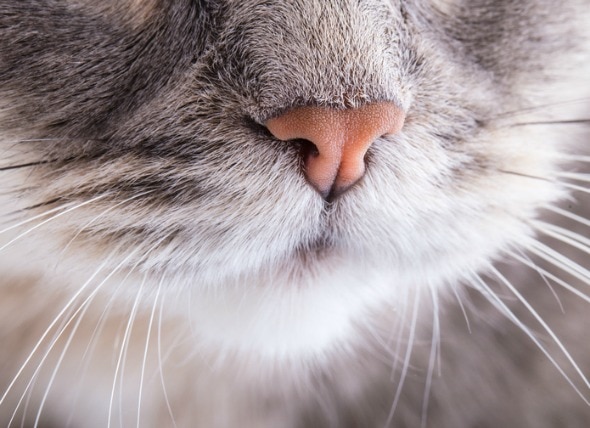
Nose And Sinus Inflammation In Cats Petmd
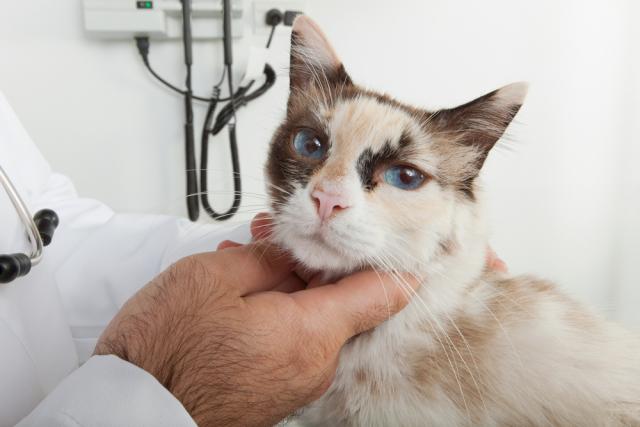
Nose Cancer In Cats Petmd
Surgical Treatment Of Squamous Cell Carcinoma Of The Nasal Planum In Cats Hellenic Journal Of Companion Animal Medicine
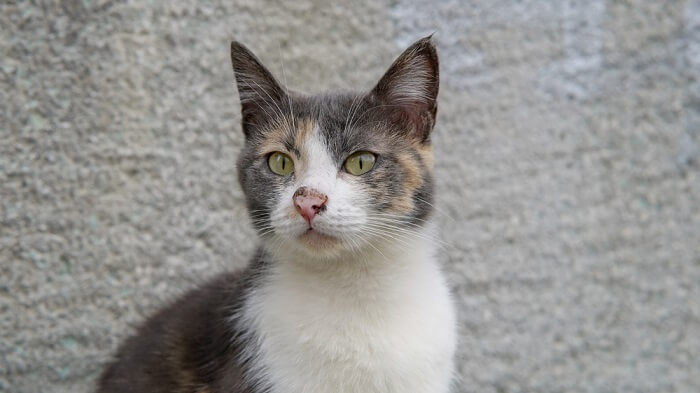
Nose Cancer In Cats Causes Symptoms Treatment All About Cats

Cat 8 Squamous Cell Carcinoma With Infiltrative Growth Into Nasal And Download Scientific Diagram

Cat 6 Squamous Cell Carcinoma On Nose Stage T2 One Ect Session Download Scientific Diagram

Feline Nasal Lymphoma Ryan Roberts 2013 Veterinary Nursing Journal Wiley Online Library
My Cat Has Nose Cancer Diagnosed 5 Years Ago Does It Hurt R Cats
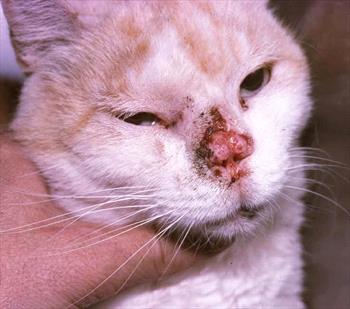
Nasal Squamous Cell Carcinoma In Cats Veterinary Partner Vin
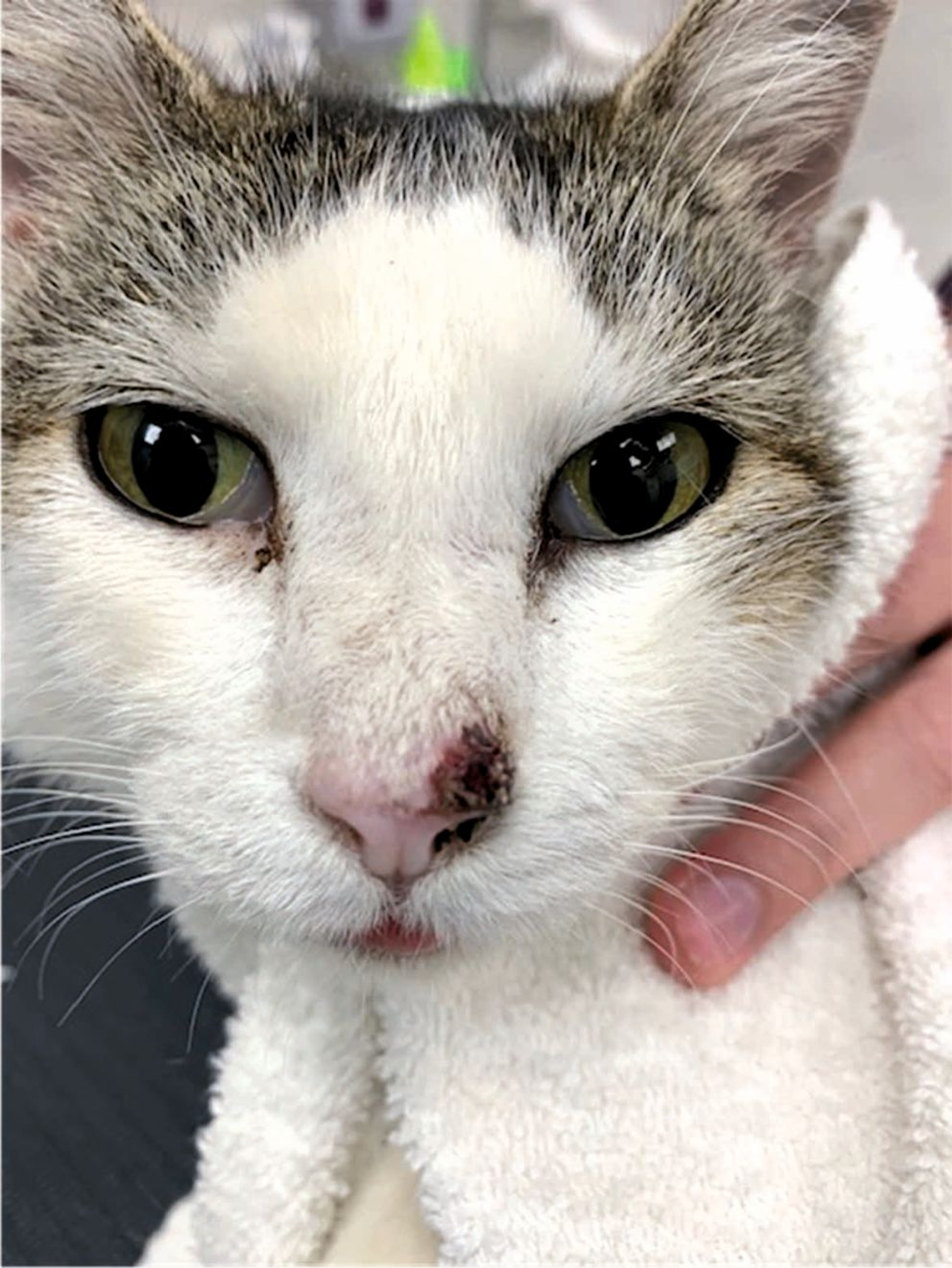
Diseases Of The Feline Nasal Planum Vet Focus
Canine And Feline Nasal Tumors
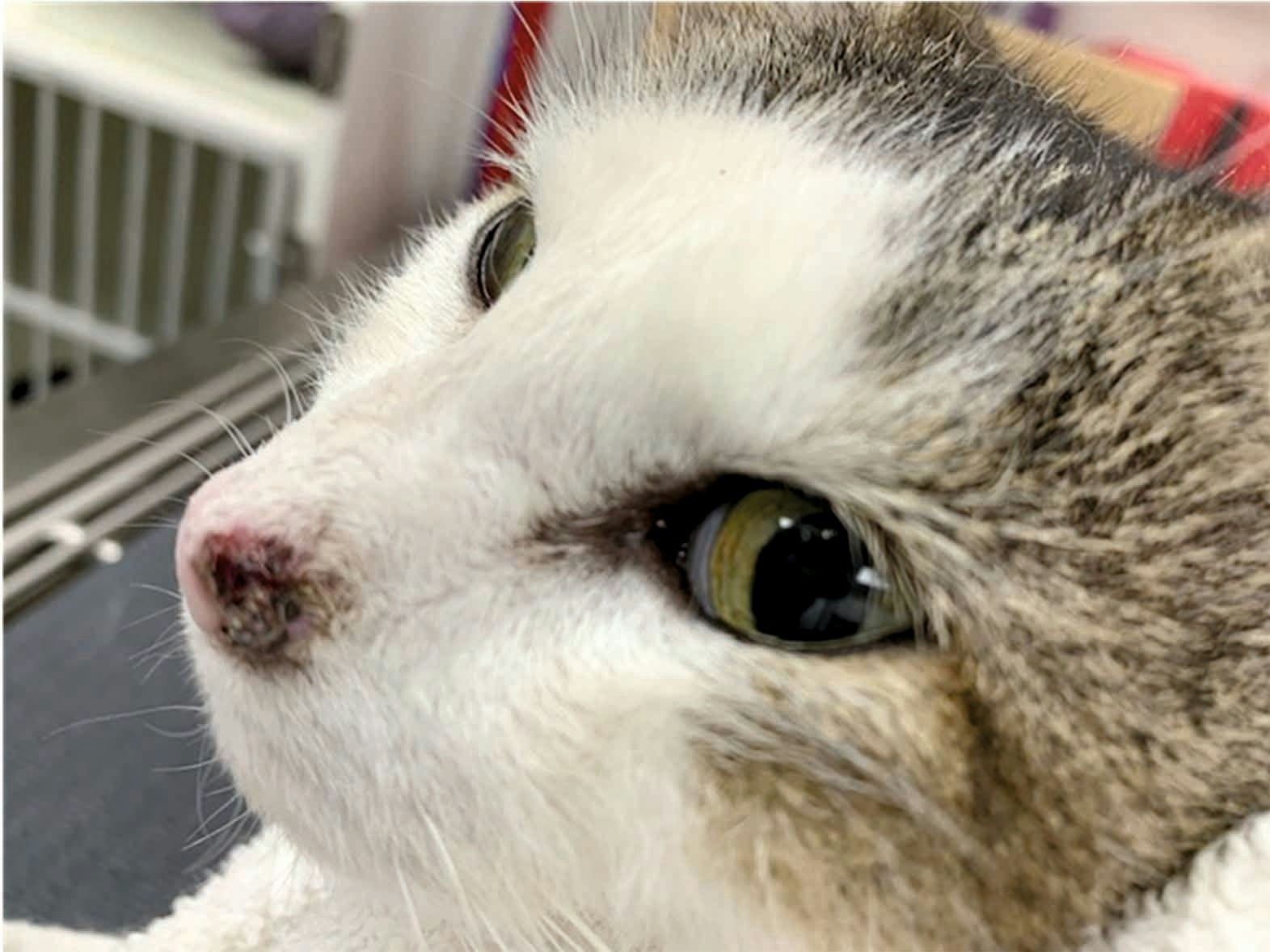
Diseases Of The Feline Nasal Planum Vet Focus
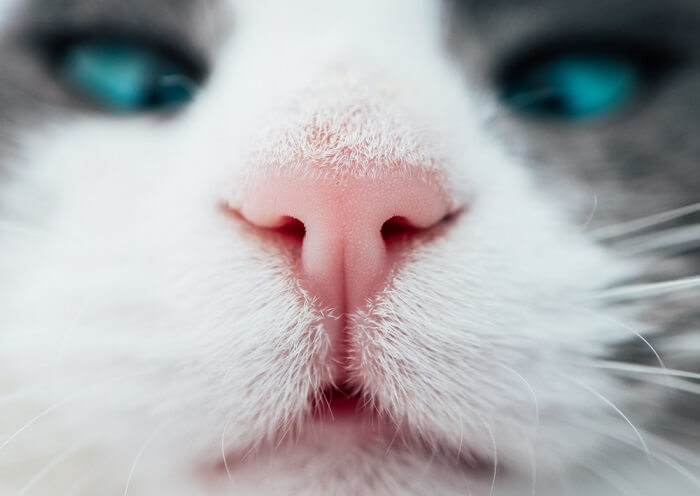
Nose Cancer In Cats Causes Symptoms Treatment All About Cats

Squamous Cell Carcinoma In Dogs And Cats Vet360
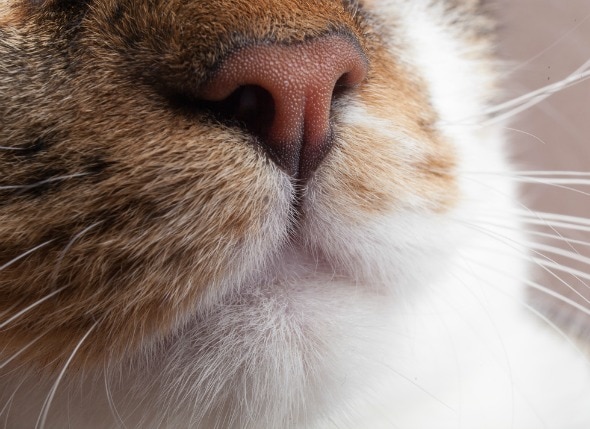
Nose And Sinus Cancer Squamous Cell Carcinoma In Cats Petmd
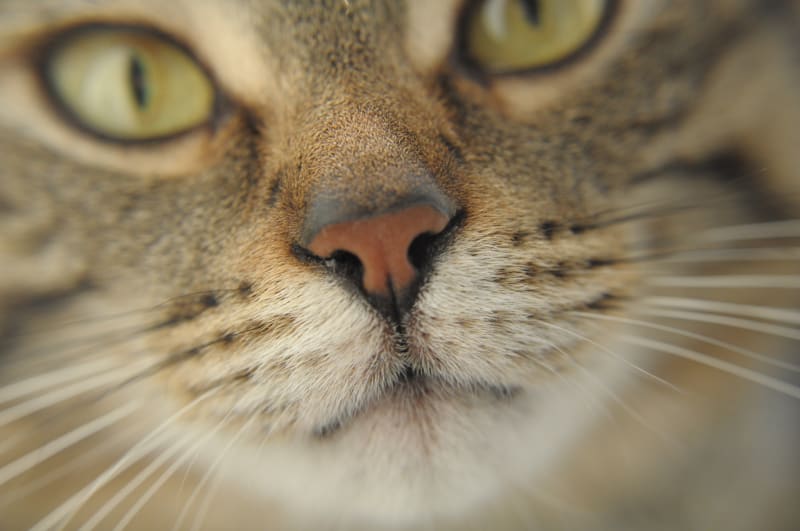
How Do I Know If My Cat Has A Nasal Tumor Long Island Vets

Cat 7 Squamous Cell Carcinoma On Nose Stage T4 Two Sessions Of Download Scientific Diagram

Visiting Vet Cappuccino The Tabby Cat The Martha S Vineyard Times
Learn About Nasal Cancer In Cats Petcure Oncology